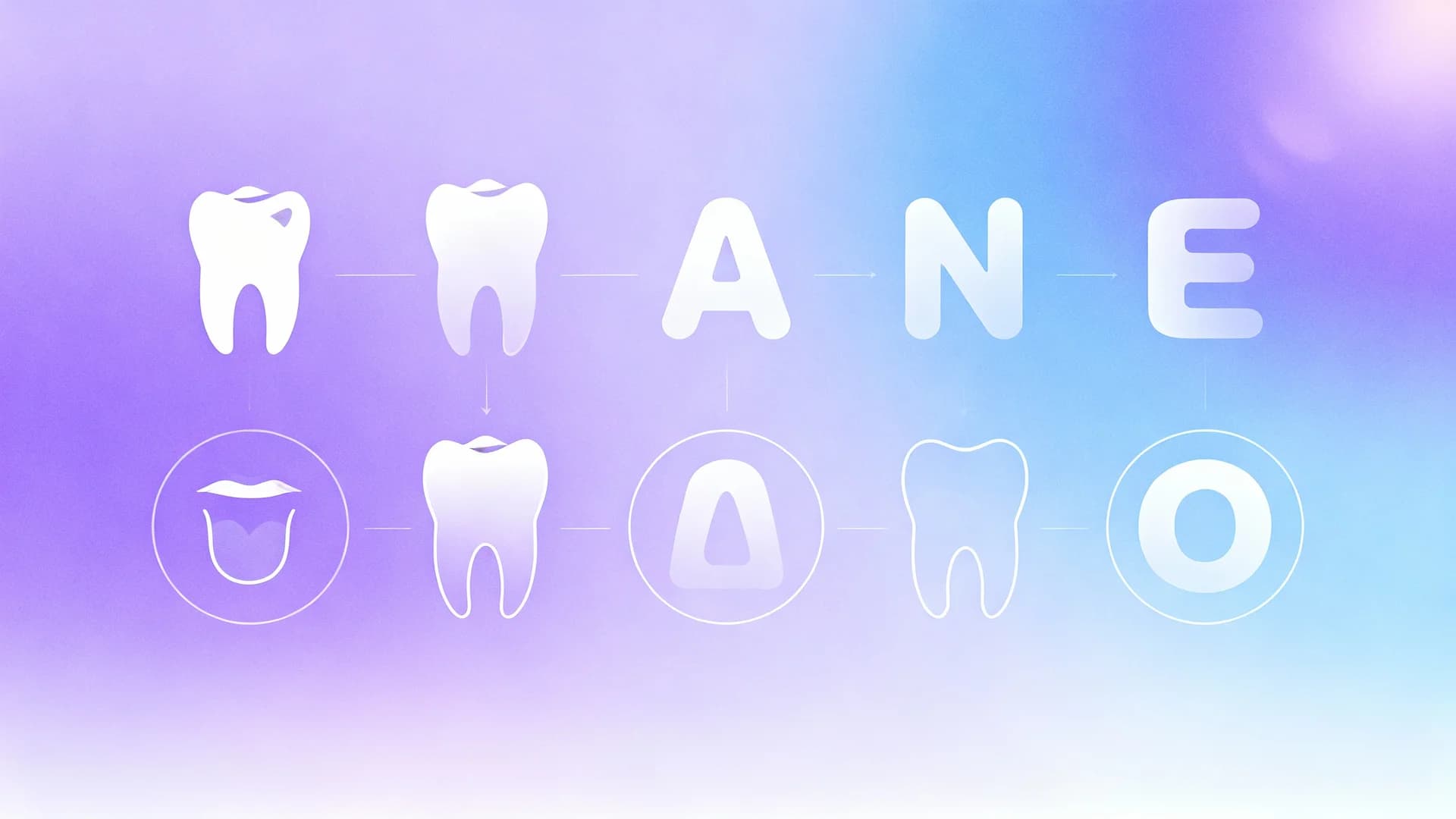
3 syllables: Piv, ot, al. Stress on Piv.
PIV-uh-tuhl
/ˈpɪvətəl/
Pivotal is pronounced PIV-uh-tuhl (/ˈpɪvətəl/). It has three syllables (Piv-ot-al), with the stress on "Piv". Pivotal is an adjective describing something of central importance or crucial significance, around which other elements revolve. In usage, it marks a turning point or decisive moment in a sequence, discussion, or event. It conveys that a factor or decision has substantial influence on outcomes and future developments.
nounPivotal is an adjective describing something of central importance or crucial significance, around which other elements revolve. In usage, it marks a turning point or decisive moment in a sequence, discussion, or event. It conveys that a factor or decision has substantial influence on outcomes and future developments.
"The pivot in the plot is a pivotal moment that changes the protagonist’s fate."
"Her discovery was pivotal for the company’s turnaround and future strategy."
"The testimony provided a pivotal piece of evidence in the trial."
Pivotal is pronounced as /ˈpɪv.ət.əl/ in US and UK English, with stress on the first syllable. Start with a short, lax 'p' + 'ɪ' as in bit, then a light 'v' making a quick transition to a schwa /ə/ in the second syllable, and finish with an unstressed 'əl' as in "uh-l". Audio reference: consider listening to a native speaker via Pronounce or Forvo for precise timing and intonation.
Common errors include reducing the second syllable too much (piv-ot-al vs piv-ə-təl) and conflating the middle vowel with a clearer /ɪ/ or /ə/. Another frequent issue is over-articulating the final /l/ or making it sound like /əl/ with a heavy schwa; aim for a light, syllabic or weak schwa followed by a clear /l/. Practice with minimal pairs to separate the syllables and maintain even timing.
In US, UK, and AU accents, the initial /ˈpɪv/ cluster remains, but the final syllable can vary: US often has /-ɪtəl/ with a lighter, quick /t/ and an schwa, UK may show a slightly more clipped /-təl/ and a crisper /t/, while AU tends to be even flatter vowels and a more centralized /ə/ with a softer /l/. Rhoticity is not strongly affecting 'pivotal,' but vowel quality in the first syllable can reflect regional vowel shifts.
The difficulty lies in balancing three weak syllables with a consonant cluster at the start and a final /əl/. The middle syllable has a reduced vowel, which throws off non-native speakers who expect a clearer vowel. Additionally, the final /l/ can be light or syllabic depending on speed, making timing crucial. Slow practice with deliberate syllable separation helps establish the rhythm before blending.
Note the three-syllable rhythm and the weak middle vowel. The sequence is stressed-unstressed-unstressed: PIV-ə-təl. The first phoneme /p/ is aspirated, the /ɪ/ is short, the /v/ is voiced, and the final /əl/ often reduces to a light /əl/ or /l/ depending on tempo. Pay attention to the transition from the dental-alveolar /v/ to an almost schwa-like middle vowel, then a soft ending, which is a common point of mispronunciation.
🗣️ Voice search tip: These questions are optimized for voice search. Try asking your voice assistant any of these questions about "Pivotal"!
Pivotal comes from the noun pivot, meaning a pin or pin-like axis around which something turns, with the suffix -al forming an adjective meaning “of or relating to.” The root pivot traces back to Middle French pivoter, from pivoter ‘to pivot, turn on a pivot,’ itself derived from Latin pivo (to bend, turn). In English, pivot originally referred to a literal axis or fulcrum; by the 17th century it extended metaphorically to describe anything on which events hinge or turn. The sense of central importance—literally turning or rotating around a central point—emerged as writers used pivot to denote crucial moments or turning points in narratives and strategic decisions. In modern usage, pivotal retains a formal tone, often appearing in scholarly, business, and policy contexts to emphasize decisive influence and turning-point significance.
💡 Etymology tip: Understanding word origins can help you remember pronunciation patterns and recognize related words in the same language family.
Help others use "Pivotal" correctly by contributing grammar tips, common mistakes, and context guidance.
💡 These words have similar meanings to "Pivotal" and can often be used interchangeably.
🔄 These words have opposite meanings to "Pivotal" and show contrast in usage.
📚 Vocabulary tip: Learning synonyms and antonyms helps you understand nuanced differences in meaning and improves your word choice in speaking and writing.
Words that rhyme with "Pivotal"
-tal sounds
-tle sounds
Practice with these rhyming pairs to improve your pronunciation consistency:
🎵 Rhyme tip: Practicing with rhyming words helps you master similar sound patterns and improves your overall pronunciation accuracy.
See how this word is used in our articles