3 syllables: How, ev, er. Stress on ev.
how-EV-ur
/ˌhaʊˈɛvɚ/
However is pronounced how-EV-ur (/ˌhaʊˈɛvɚ/). It has three syllables (How-ev-er), with the stress on "ev". However is a versatile adverb used to introduce a contrast or exception, often equivalent to 'nevertheless' or 'on the other hand.' In most contexts it signals a shift in expectation, followed by a counterpoint or qualification. It can function at clause-initial, mid-sentence, or at sentence end, with prosodic emphasis shaping its impact.
adverbHowever is a versatile adverb used to introduce a contrast or exception, often equivalent to 'nevertheless' or 'on the other hand.' In most contexts it signals a shift in expectation, followed by a counterpoint or qualification. It can function at clause-initial, mid-sentence, or at sentence end, with prosodic emphasis shaping its impact.
"However, the plan might still work if we adjust the deadline."
"I wanted to join the game; however, I was feeling unwell."
"The results were promising. However, further testing is required."
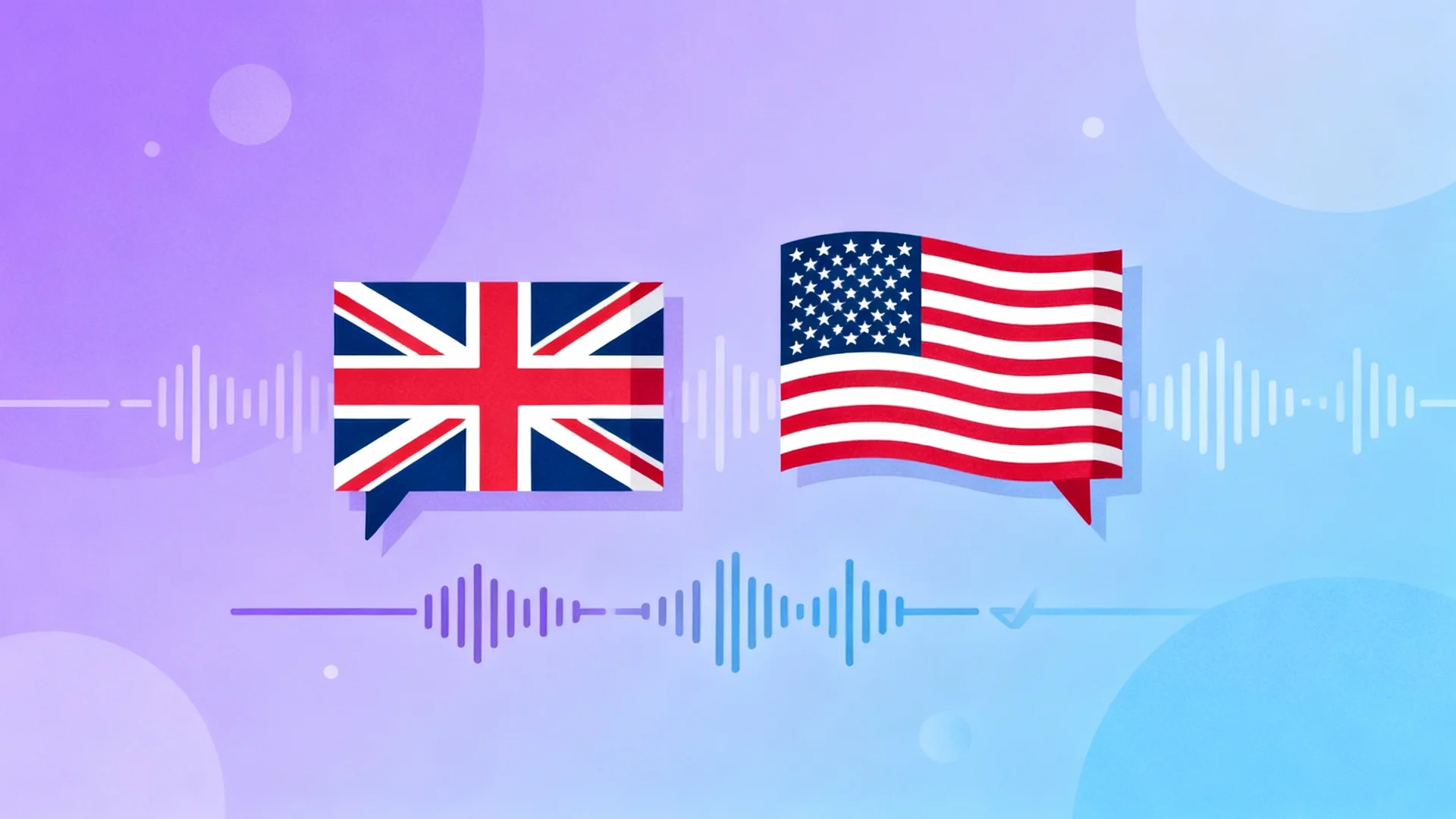
US/UK/AU IPA: /haʊˈɛvər/ (US) or /haʊˈɛvə/ (UK/AU). Start with the diphthong /haʊ/ as in ‘how,’ then place primary stress on the second syllable /ˈɛv/ (EU-like ‘ev’) followed by a weak /ər/ or /ə/ depending on accent. The 'er' is a rhotic schwa in US (/ər/) and a schwa in non-rhotic variants (/ə/). Keep the second syllable slightly longer than the final, but avoid a harsh stop. Practice with ‘how-ev-er’ in a smooth, connected sequence. Audio reference: listen to natural usage in phrases like ‘however, …’ and imitate the rhythm.
Two frequent errors: (1) Misplacing stress by saying /haʊˈevər/ with heavy emphasis on ‘how,’ making it sound like two strong syllables; correct with secondary stress on the second syllable: /haʊˈɛvər/. (2) Pronouncing the final /r/ too strongly in non-rhotic accents; in UK English this should often be a reduced /ə/ or a light /ə/ after /v/ rather than a full rhotic /ɹ/. Practice by ending with a soft schwa and tiny lips rounding. Focus on the /ˈɛv/ cluster, not extending the vowel unnecessarily.
In US English, /haʊˈɚvər/ may render the final /ər/ as /ər/ with a rhotic ending. UK English often reduces the final to /ə/ (haʊˈɛvə) with non-rhotic linking, so the ending sounds less rhotic. Australian English similarly uses /haʊˈɛvə/ with non-rhotic-ish tendencies and a slightly shorter final vowel. The second syllable’s vowel quality is relatively consistent, but rhoticity and vowel reduction influence the ending: US keeps /ər/, UK/AU lean toward /ə/ or a weaker /ə/.
The difficulty lies in the two-syllable structure with a non-final primary stress that can easily be misinterpreted as a stronger stress on the first syllable. The tricky part is the transition from /haʊ/ to /ˈɛ/ and then the quick, reduced final /ər/ or /ə/. Learners often flatten the /ˈɛ/ or over-articulate the final vowel. Mastery requires practicing the diphthong in the first syllable, correct secondary stress on the second syllable, and a light or reduced final vowel across accents.
Yes. In fast connected speech, speakers may elide slight vowel length and reduce the final vowel: /haʊˈɛvə/ or /haʊˈɛvə/ with a very light /ə/ at the end, especially in rapid formal speech. The final /r/ may be less pronounced in non-rhotic accents, resulting in /haʊˈɛvə/ or /haʊˈɛvə/. Another variation is linking: when followed by a vowel-starting word, you might hear a softer transition as the final /r/ is barely released.
🗣️ Voice search tip: These questions are optimized for voice search. Try asking your voice assistant any of these questions about "However"!
- US: rhotic ending /ər/; ensure the ending is not too pronounced; keep the /ə/ weak. - UK: non-rhotic ending; aim for /ə/ or /ə/ with a light /ɹ/ absence; focus on non-rhotic tone before the next word. - AU: similar to UK, but with slightly broader vowels; /haʊˈɛvə/; watch for a less pronounced final /ɹ/. Reference IPA when you practice: /haʊˈɛvər/ (US) vs /haʊˈɛvə/ (UK/AU).
However originates from Middle English. The word is formed from the combination of 'how' and 'ever,' with the sense of ‘in whatever manner’ evolving into a conjunctive adverb introducing contrast. The earliest uses appear in medieval and early modern English texts where writers attempted to signal a shift or qualification in argument. By the 15th–16th centuries, however appears more regularly in written prose and poetry as a marker of concession. Over time it acquired a stronger connective function, often prefacing counterpoints or exceptions rather than simply asking a question about manner. The pronunciation likely pooled from the common stress patterns of two-syllable adverbs of the period, with the second syllable reduced in many dialects. In contemporary usage, however has a stable, frequent role in both formal and informal registers, read with a light initial syllable and a secondary, often unstressed final syllable, echoing its high-frequency status in everyday speech.
💡 Etymology tip: Understanding word origins can help you remember pronunciation patterns and recognize related words in the same language family.
Help others use "However" correctly by contributing grammar tips, common mistakes, and context guidance.
💡 These words have similar meanings to "However" and can often be used interchangeably.
🔄 These words have opposite meanings to "However" and show contrast in usage.
📚 Vocabulary tip: Learning synonyms and antonyms helps you understand nuanced differences in meaning and improves your word choice in speaking and writing.
Words that rhyme with "However"
-ver sounds
Practice with these rhyming pairs to improve your pronunciation consistency:
🎵 Rhyme tip: Practicing with rhyming words helps you master similar sound patterns and improves your overall pronunciation accuracy.
See how this word is used in our articles