SPOH-kuhn
/ˈspoʊkən/
spoken is pronounced SPOH-kuhn (/ˈspoʊkən/). Spoken is the past participle/adjective form of the verb speak, referring to language that has been uttered or communicated. It also commonly describes everyday, oral communication rather than written text. In usage, it often appears in phrases like “spoken language,” “spoken aloud,” or “spoken for the first time.” It conveys completed or enacted speech rather than potential or written form.
Spoken is the past participle/adjective form of the verb speak, referring to language that has been uttered or communicated. It also commonly describes everyday, oral communication rather than written text. In usage, it often appears in phrases like “spoken language,” “spoken aloud,” or “spoken for the first time.” It conveys completed or enacted speech rather than potential or written form.
"- The spoken language of the participants varied, with several languages represented."
"- She emphasized the spoken word over the written record."
"- In class, we focused on spoken English and pronunciation practice."
Pronounce as two syllables: ˈspoʊ.kən. Primary stress on the first syllable. Start with an /s/ + /p/ cluster, then a long diphthong /oʊ/ in the first syllable, followed by a neutral schwa or reduced /ə/ in the second syllable, ending with /n/. When spoken quickly, the /oʊ/ can approach a tighter /o/ and the final /ən/ may reduce to /ən/. Listen for a crisp onset and a soft, non-velar ending.
Common errors include misplacing stress (placing it on the second syllable) and mishandling the /oʊ/ diphthong, often shortening it to a pure /o/ or a short /o/. Another error is not voicing the final /n/ clearly when speaking quickly, leading to a muffled ending. Correction: maintain the full /oʊ/ glide in the first syllable and finish with a crisp /n/; keep the second syllable reduced to /ən/ with a light, quick schwa. Practice slow to fast tempo to stabilize the rhythm.
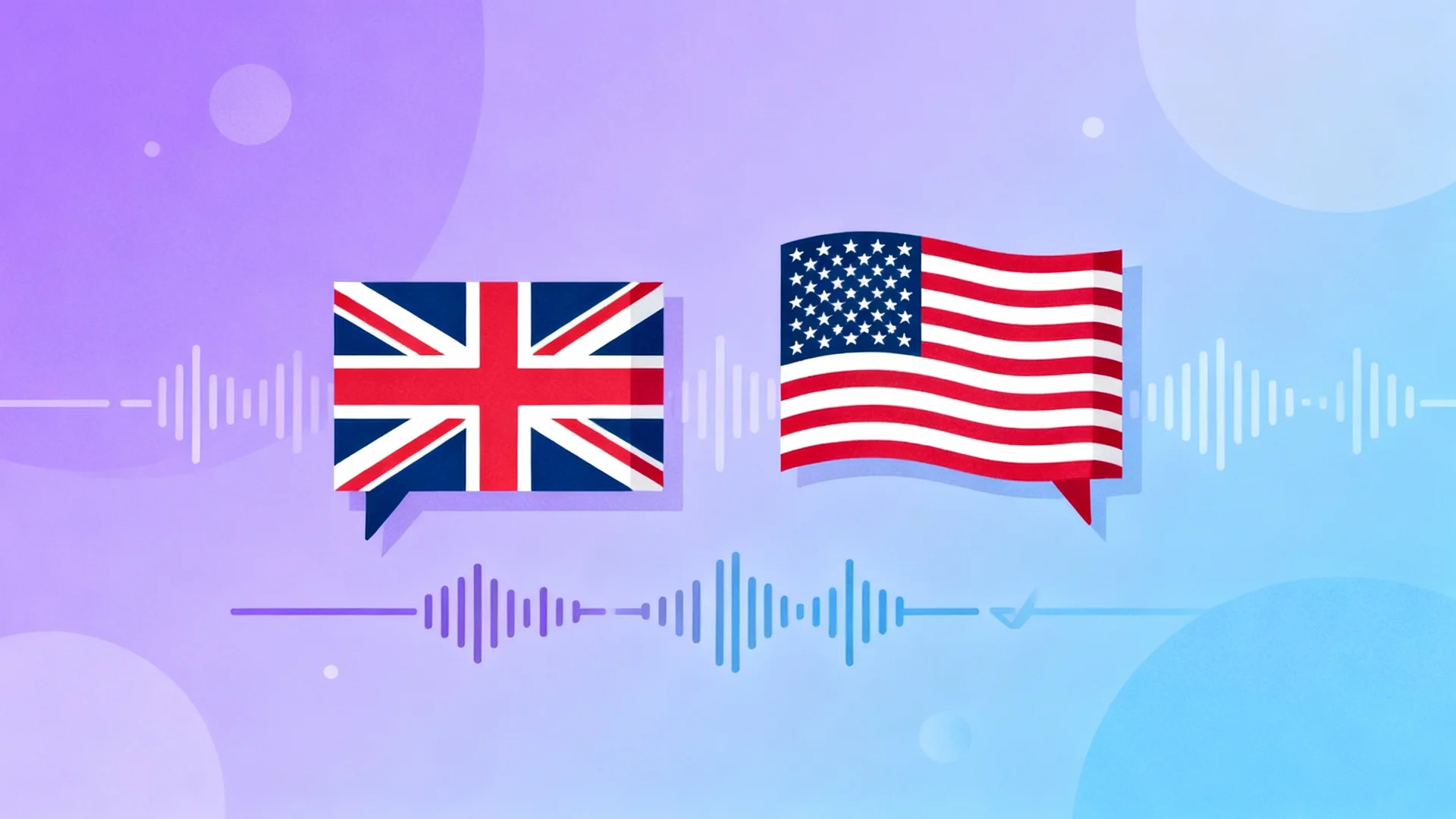
In US English, expect a rhotic, clear /r/? No, spoken has no /r/. The /oʊ/ tends to be a prominent diphthong with a longer duration. UK English may feature a slightly shorter first vowel and a more centralized second syllable, with less rhotacization. Australian English often shows a more centralized /ə/ in the second syllable and a slightly rounded /oʊ/; vowel height can be a touch lower. Overall, maintain two syllables with primary stress on the first and a light, short final /ən/ across accents.
Difficulties stem from the two-syllable rhythm and the diphthong /oʊ/ in the first syllable, which requires a precise lip rounding and jaw movement. The final /ən/ can be reduced in fast speech, making it feel like /n/ or a nasalization that blends with the preceding vowel. The cluster /sp/ also demands accurate timing to avoid a clipped onset. Focus on a clear onset, a strong but relaxed /oʊ/, and a soft, light /ən/ at the end.
A unique aspect is the two-syllable rhythm with primary stress on the first syllable and a reduced second syllable. This pattern is common in many English past participles used adjectivally (e.g., spoken language) and has implications for rhythm in sentence-level delivery. Emphasize the syllabic timing: strong beat on /spoʊ/ and a subdued /kən/ to mirror natural speech. IPA references: US /ˈspoʊ.kən/, UK /ˈspəʊ.kən/.
🗣️ Voice search tip: These questions are optimized for voice search. Try asking your voice assistant any of these questions about "spoken"!
Old English sprecan ‘to speak,’ with past participle spaken or spokene evolving into spoken. The word is cognate with Dutch spreken and German sprechen, all from Proto-Germanic sprkanan. In Early Modern English, the participle formed compounds like spoken language and spoken word, indicating something that has been uttered or communicated. The semantic shift hinges on the verbal act: once something is spoken, it becomes part of the oral record and can function as evidence of communication. Over centuries, spoken acquired adjectives and participial use, distinguishing surface utterance from the implied, still-written record. In contemporary usage, spoken commonly collocates with language, word, and discourse, and also with adjectives signaling modality (spoken aloud, spoken for). The form remains invariant for participial use, whereas the verbal tense changes with speak’s conjugation. First known written attestations appear in Middle English texts as sets of phrases describing speech acts, with steady, widespread usage by the 16th–17th centuries as grammars and dictionaries codified spoken language concepts.
💡 Etymology tip: Understanding word origins can help you remember pronunciation patterns and recognize related words in the same language family.
Help others use "spoken" correctly by contributing grammar tips, common mistakes, and context guidance.
💡 These words have similar meanings to "spoken" and can often be used interchangeably.
🔄 These words have opposite meanings to "spoken" and show contrast in usage.
📚 Vocabulary tip: Learning synonyms and antonyms helps you understand nuanced differences in meaning and improves your word choice in speaking and writing.
Words that rhyme with "spoken"
-ken sounds
Practice with these rhyming pairs to improve your pronunciation consistency:
🎵 Rhyme tip: Practicing with rhyming words helps you master similar sound patterns and improves your overall pronunciation accuracy.
See how this word is used in our articles