SIM-puhl
/ˈsɪmpəl/
simple is pronounced SIM-puhl (/ˈsɪmpəl/). Simple refers to something easily understood or done; it denotes clarity and lack of complexity. As an adjective, it describes uncomplicated nature or form, and as a noun or in phrases, it can imply a basic, essential element. The word often conveys straightforwardness, directness, and efficiency, avoiding unnecessary ornament or complication.
Simple refers to something easily understood or done; it denotes clarity and lack of complexity. As an adjective, it describes uncomplicated nature or form, and as a noun or in phrases, it can imply a basic, essential element. The word often conveys straightforwardness, directness, and efficiency, avoiding unnecessary ornament or complication.
"The instructions are simple, so even beginners can follow them."
"She wore a simple necklace, nothing flashy or extravagant."
"We chose a simple solution to the problem, which saved time and money."
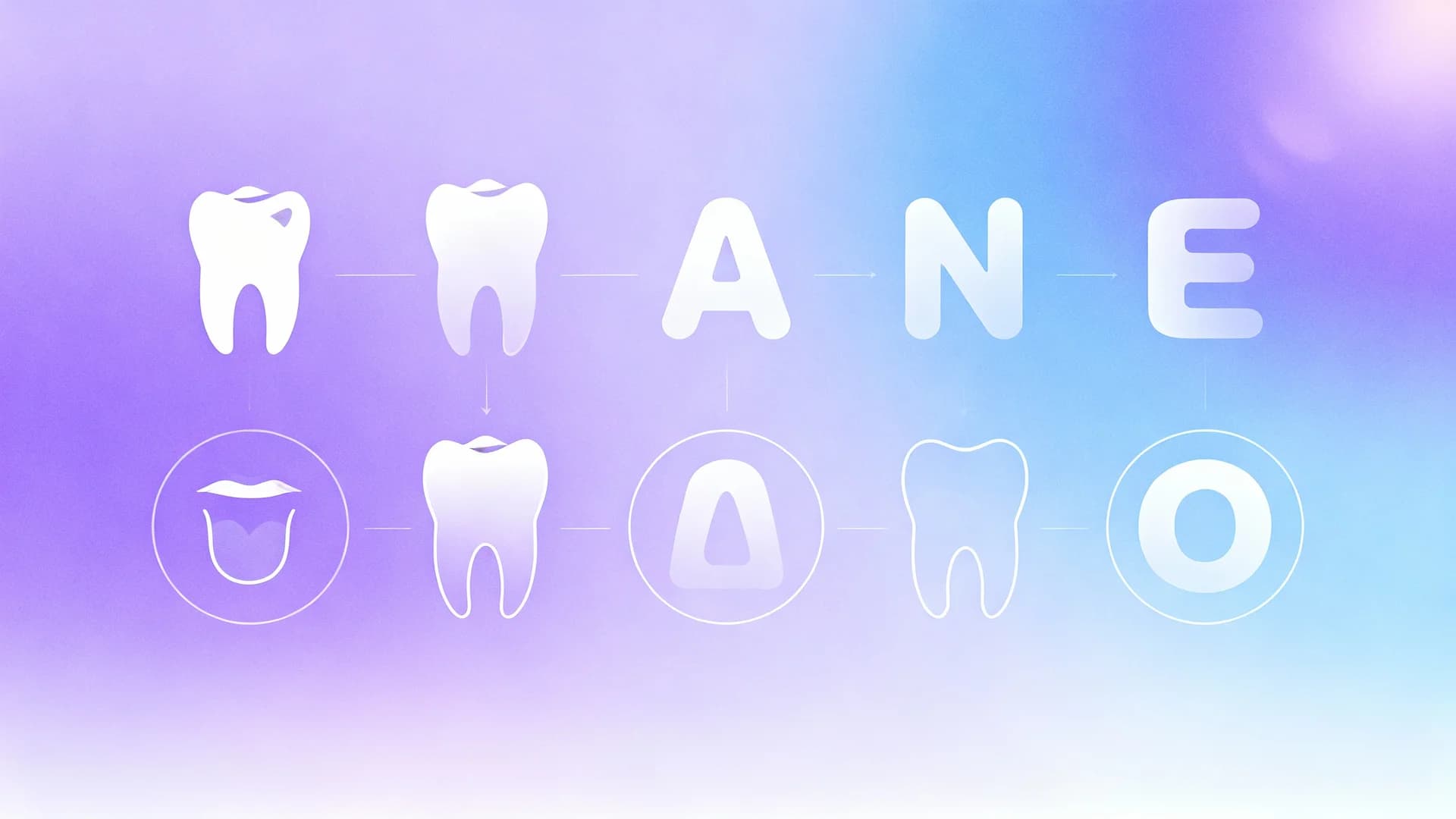
The standard pronunciation is SIM-puhl with two syllables. IPA: US /ˈsɪm.pəl/, UK /ˈsɪm.pəl/, AU /ˈsɪm.pəl/. Emphasize the first syllable with a short, clipped /ɪ/ and lightly pronounce the final /pəl/ as /pəl/ or /pəl̩/ in careful speech. Mouth positions: start with a relaxed jaw, lips spread slightly for /s/, then raise the tongue to the close-mid position for /ɪ/, release into a quick /m/ and then a soft /p/, finishing with a schwa-less or reduced /əl/. Audio reference: listen to careful enunciation on Cambridge or Oxford dictionaries practice audio.
Common errors include turning the final /l/ into a full consonant before the vowel (say ‘SIM-pul’ with a taken off /l/ sound), mispronouncing the middle vowel as a longer /iː/ or /ɪː/, or slurring the syllable boundary so it sounds like ‘simp-uhl’ with a weak first syllable. Correction: keep the first syllable tight with /ɪ/ and release the final /əl/ quickly, targeting a clean /p/ closure then a light /əl/ without adding extra vowels. Practice by isolating /ˈsɪm/ and then adding /pəl/ with a crisp p and a soft l.
In US/UK/AU, /ˈsɪm.pəl/ remains similar, but rhoticity differs: US and AU speakers are typically rhotic, but /pəl/ can reduce to a syllabic /l̩/ or a dark /ɫ/ in some American dialects. UK speakers may slightly reduce the final /l/ or pronounce it as a light, clear /l/ depending on speaker. Australian English tends toward a harsher /ɐ/ shift in some vowels but keeps /ˈsɪm.pəl/ robust. Overall stress remains on the first syllable. IPA references: /ˈsɪm.pəl/ across dialects with minor vowel quality variation.
The difficulty lies in balancing a quick, clipped onset consonant cluster (/sɪm/) with a light, unreleased or lightly released /p/ and the short, reduced vowel in the second syllable. The transition from /m/ to /p/ requires precise timing, and the final /əl/ can soften to /əl/ or become a near-syllabic /l̩/ depending on speed and accent. Practicing the exact boundary between /m/ and /p/ and achieving a natural reduction /əl/ will reduce hesitation and ensure clarity.
The word has a strong, primary stress on the first syllable: SIM-pəl. Unlike words with final stress or trochaic patterns, simple keeps its emphasis upfront, with the second syllable reduced. In connected speech, the second syllable often becomes a brief /pəl/ or /pəl̩/ that blends with following words. This stress pattern influences pacing and intonation in phrases like ‘a simple solution’ where the tone remains brisk after the first syllable.
🗣️ Voice search tip: These questions are optimized for voice search. Try asking your voice assistant any of these questions about "simple"!
Simple comes from the Latin word simplus, related to similis meaning ‘like’ or ‘similar,’ and later adopted into Late Latin as simplex meaning ‘simple, single, plain.’ The form simplex itself is a fusion of sim- ‘same, like’ and plex ‘fold, interweave’ (though the exact morphological path is debated). In Old French, simplex carried senses of ‘unmixed, plain, single,’ which influenced English usage in the 13th–14th centuries. The modern sense of ‘easy to understand or do’ emerged gradually as Latin-derived terms widened in Medieval English, with early attestations in moral and practical contexts. The adjective is typically contrasted with ‘compound’ or ‘complex’ in philosophy and grammar, and the noun sense of root components or basic elements appears in mathematical and logical discourse, where we discuss simple operations and simple equations. The word’s semantic broadening tracks a long history of valuing clarity, efficiency, and directness in both speech and design, mirroring cultural shifts toward accessibility and practicality over ornamentation.
💡 Etymology tip: Understanding word origins can help you remember pronunciation patterns and recognize related words in the same language family.
Help others use "simple" correctly by contributing grammar tips, common mistakes, and context guidance.
💡 These words have similar meanings to "simple" and can often be used interchangeably.
🔄 These words have opposite meanings to "simple" and show contrast in usage.
📚 Vocabulary tip: Learning synonyms and antonyms helps you understand nuanced differences in meaning and improves your word choice in speaking and writing.
Words that rhyme with "simple"
-ple sounds
Practice with these rhyming pairs to improve your pronunciation consistency:
🎵 Rhyme tip: Practicing with rhyming words helps you master similar sound patterns and improves your overall pronunciation accuracy.
See how this word is used in our articles