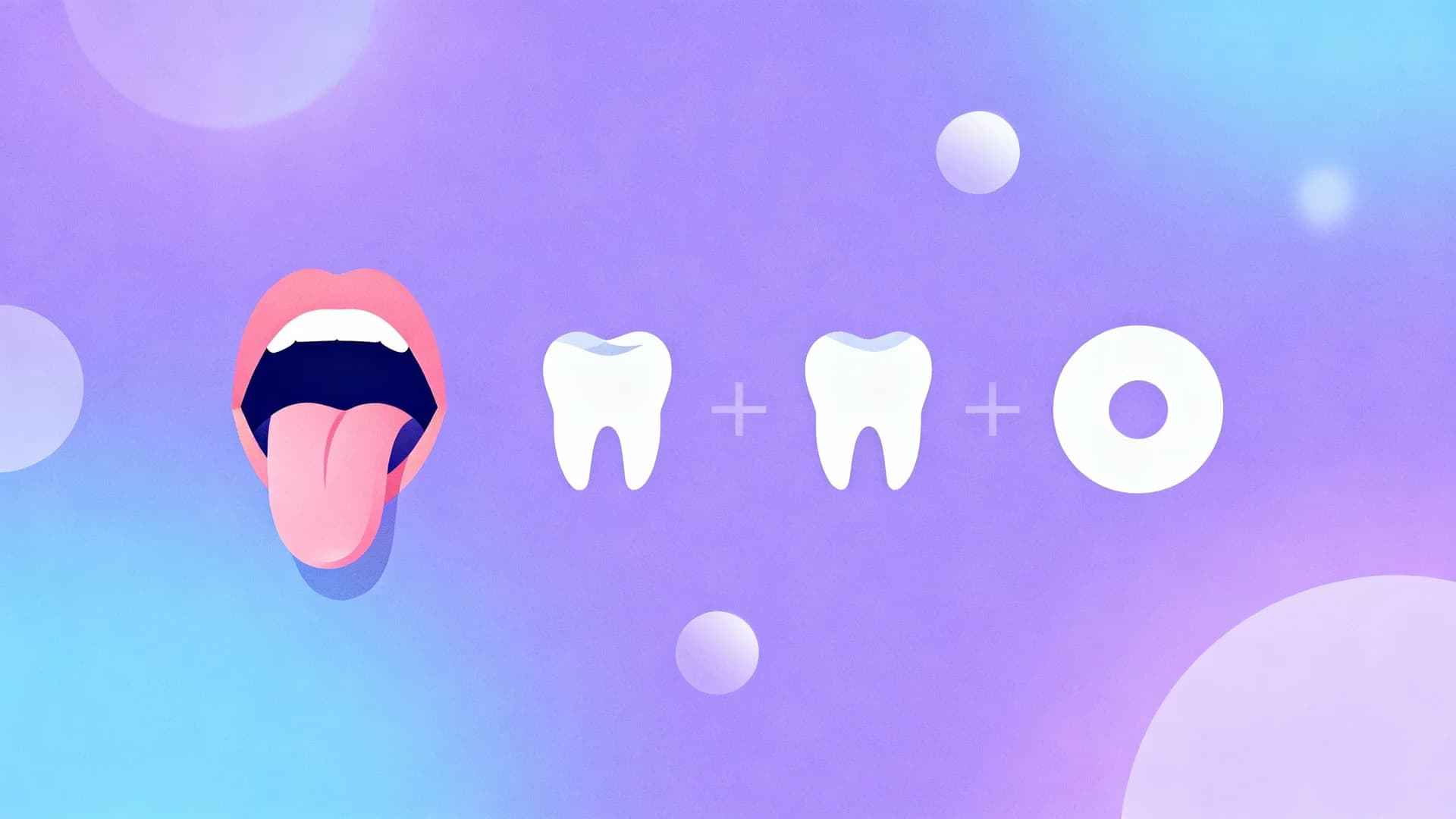
3 syllables: Re, so, nate. Stress on Re.
REZ-uh-nayt
/ˈɹɛzəˌneɪt/
Resonate is pronounced REZ-uh-nayt (/ˈɹɛzəˌneɪt/). It has three syllables (Re-so-nate), with the stress on "Re". Resonate is a verb meaning to produce or be filled with a deep, full sound or feeling that reaches or affects others; to evoke a shared emotion or response. It can describe sounds that vibrate, or ideas that strongly connect with people. In use, it often implies an auditory or emotional impact that lingers or reverberates in listeners.
verbResonate is a verb meaning to produce or be filled with a deep, full sound or feeling that reaches or affects others; to evoke a shared emotion or response. It can describe sounds that vibrate, or ideas that strongly connect with people. In use, it often implies an auditory or emotional impact that lingers or reverberates in listeners.
- You might tilt toward a flat, clipped final /t/ or let the final /t/ drift into a nasal; aim for a crisp release to anchor the word. - Misplacing stress on the first syllable (REh-zuh-nate) makes the word feel awkward; keep primary stress on the second syllable (ri-ZOH-nate). - Vowel quality mismatch in /zɒ/ or /zɑː/ can skew meaning; practice with targeted minimal pairs to lock in the correct back-vowel quality.
How to Pronounce Resonate
"The speaker’s heartfelt message resonated with the audience, leaving many in tears."
"Her violin solo resonated across the hall, rich and warm."
"The old story still resonates today, challenging our assumptions."
Pronounce as ri-ZOH-nayt, with primary stress on the second syllable. IPA US: rɪˈzɑː.neɪt, UK/AU: rɪˈzɒ.neɪt. Start with a quick, light 'ri' (/rɪ/), then a stressed open-mid back vowel in /zɑː/ (US) or /zɒ/ (UK/Aus), and finish with /neɪt/ where the /eɪ/ is a long diphthong. Ensure the final /t/ is released clearly unless in rapid speech. Audio reference: you can compare with online pronunciations on Pronounce or Cambridge dictionary entries to hear the /ɪ/ and /ə/ reductions in connected speech.
Common errors include placing the stress on the first syllable (RE-zə-nate) and using a short /eɪ/ or /e/ in the final syllable. Another trap is replacing the /zɒ/ or /zɑː/ with a different vowel, or not releasing the final /t/. Correction: stress the second syllable (/ˈzɑː/ or /ˈzɒ/), keep /neɪt/ as /neɪt/ with a clear tonic nucleus, and end with a crisp /t/. Practice with minimal pairs like ri-ZOH-nayt vs ri-zoh-NATE to feel the emphasis and vowel quality.
In US, UK, and AU, the main difference is the vowel in /zɑː/ (US often /zɑː/ as in father, UK/AU more like /zɒ/ in cot vs /zɑː/ in lot depending on accent). Rhoticity: US is rhotic, tends to fully pronounce the /r/ in sequences; UK typically non-rhotic, but /r/ appears in linking positions. Australian: often non-rhotic like UK but with broader vowels; final /t/ can be flapped in rapid speech in informal registers. All share primary stress on the second syllable and final /t/ release.
The difficulty lies in the combination of a strong second-syllable vowel (/ɑː/ or /ɒ/) and the following /neɪt/ sequence, where the /eɪ/ is a tight diphthong requiring a precise glide. Additionally, many speakers misplace stress on the first syllable or soften the final /t/. Practicing the two-consonant cluster /z/ followed by a vowel can help maintain correct timing and prevent vowel mergers.
A common query is whether the word uses a silent e. No, there is not a silent e here; the final -ate is pronounced as /neɪt/ with the -ate forming a single syllable under the second-stress pattern. Ensure you articulate the /z/ clearly and transition smoothly into /neɪt/; this avoids glottal stop or vowel shortening that can obscure the final syllable.
🗣️ Voice search tip: These questions are optimized for voice search. Try asking your voice assistant any of these questions about "Resonate"!
- US: rhotic; keep /r/ clear at the start of the word and at the coda. The /ɒ/ in the UK/AU variant can be more open; in US, tends toward /ɑː/. - UK/AU: non-rhotic preference; the /r/ link only appears in syllable boundaries with vowels. Vowel length before a final consonant can be shorter in UK. - Practice with IPA-focused reading; listen to native samples and mimic mouth positions: rounded lips for /ɒ/ or /ɑː/, relaxed jaw for /neɪt/.
Resonate comes from the Latin resonare, meaning to sound again or to resound. The prefix re- implies repetition, and sonare means to sound or make a noise (related to sound and sonic). The word entered English in the late 15th to early 16th century, originally in literal senses of sound reverberating in a space. Over time, it broadened to figurative senses: to evoke a response or emotion that seems to ‘sound’ within a listener. By the 18th and 19th centuries, resonate increasingly described ideas or experiences that strongly connect with people, not just physical sound. In modern usage, it often pairs with adjectives like deeply, strongly, or personally to emphasize the intensity of the impact, whether auditory (a note resonating in a hall) or conceptual (the message resonating with an audience). The evolution reflects a shift from concrete acoustics to figurative communication, and today it spans music, rhetoric, psychology, and culture, maintaining its core sense of auditory or emotional reverberation.
💡 Etymology tip: Understanding word origins can help you remember pronunciation patterns and recognize related words in the same language family.
Help others use "Resonate" correctly by contributing grammar tips, common mistakes, and context guidance.
💡 These words have similar meanings to "Resonate" and can often be used interchangeably.
🔄 These words have opposite meanings to "Resonate" and show contrast in usage.
📚 Vocabulary tip: Learning synonyms and antonyms helps you understand nuanced differences in meaning and improves your word choice in speaking and writing.
Words that rhyme with "Resonate"
-ate sounds
Practice with these rhyming pairs to improve your pronunciation consistency:
🎵 Rhyme tip: Practicing with rhyming words helps you master similar sound patterns and improves your overall pronunciation accuracy.
See how this word is used in our articles