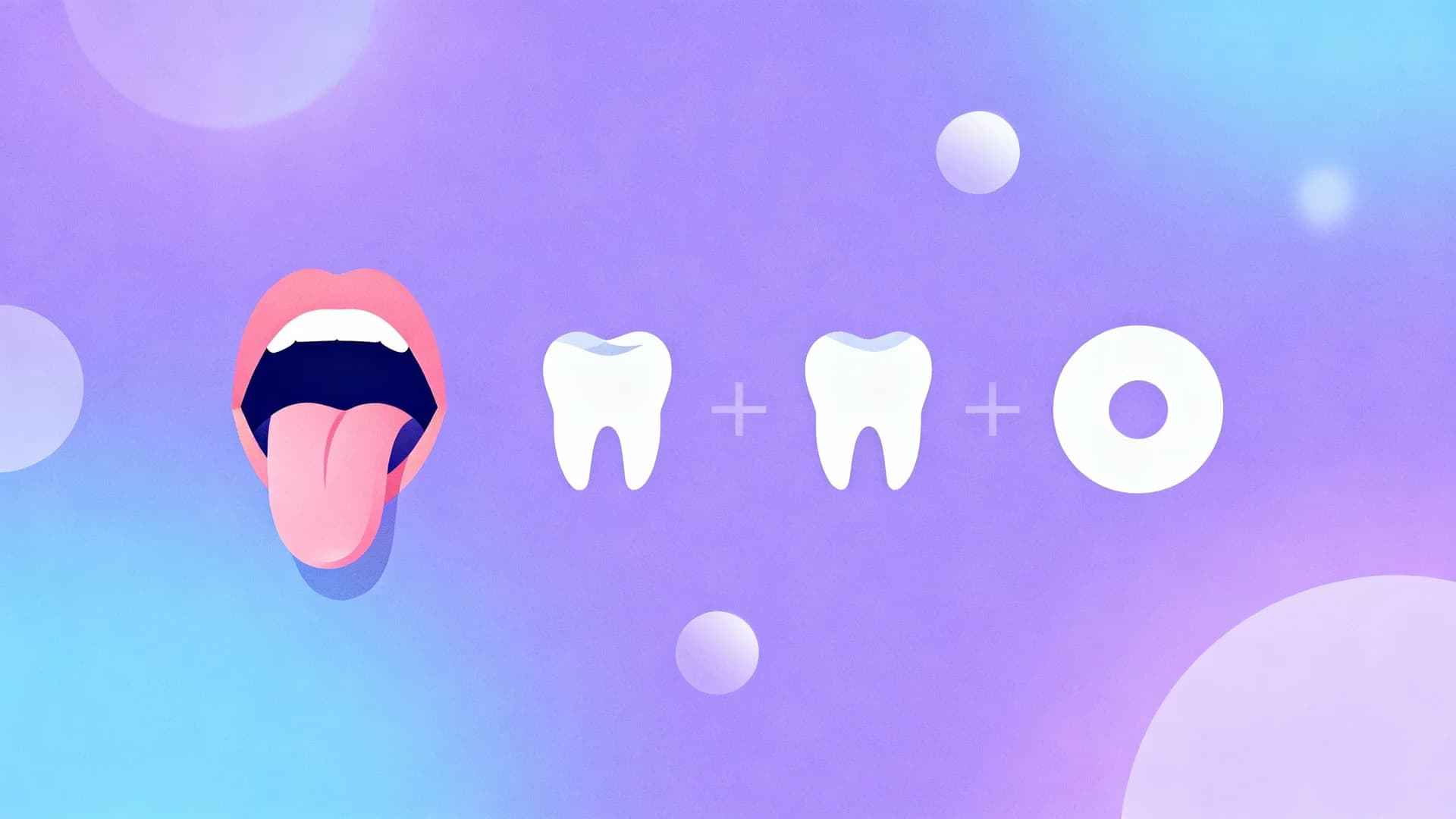
2 syllables: Pow, er. Stress on Pow.
POW-ur
/ˈpaʊɚ/
Power is pronounced POW-ur (/ˈpaʊɚ/). It has two syllables (Pow-er), with the stress on "Pow". Power as a noun refers to the capacity or ability to act, influence, or produce an effect. It can describe physical strength, political clout, or the operational capability of machines. In everyday usage, it often conveys potential energy, control, or dominance within a system or relationship.
nounPower as a noun refers to the capacity or ability to act, influence, or produce an effect. It can describe physical strength, political clout, or the operational capability of machines. In everyday usage, it often conveys potential energy, control, or dominance within a system or relationship.

How to Pronounce Power
"The power of the engine allowed the car to accelerate quickly."
"He gained power in the company after the merger."
"Electric power is transmitted over long distances through high-voltage lines."
In General American and many other varieties, say PAW-ər with a stressed first syllable: /ˈpaʊər/. The first syllable has the /aʊ/ diphthong like in ‘how,’ and the second syllable is a schwa plus 'r' in rhotic accents. Start with a rounded mouth for /aʊ/ then relax into a neutral schwa for /ər/. If you’re non-rhotic, you’ll hear the /r/ less or disappear, producing /ˈpaʊə/.
Two frequent errors: over-emphasizing the final /r/ in non-rhotic speakers, which makes it sound like ‘pow-ER’ instead of a quick /ər/; and flattening the /aʊ/ into /a/ or /ɔ/ in rapid speech. To correct: keep the /aʊ/ as in ‘how,’ then transition quickly to a light, central mid schwa for the /ər/ or drop the /r/ in non-rhotic speech. Practice with minimal pairs to feel the glide from /aʊ/ to /ə/.
US: clear rhotic /ˈpaʊər/ with pronounced /r/ at the end in rhotic varieties. UK/AU: often non-rhotic, yielding /ˈpaʊə/ with a reduced final /ə/. The initial /aʊ/ remains; the main difference is the rhotic pronunciation and the quality of the ending vowel. In some British varieties, you may hear a more centering of /ə/ before /r/ due to linking: /ˈpaʊə-r/ in connected speech.
The challenge lies in the diphthong /aʊ/ and the final rhotic element. The mouth transitions from a wide open /a/ to a near-close /ʊ/ glide, then to a rhotic schwa. Non-native speakers may misplace the tongue or overly elongate the final /r/ or drop it entirely. Focus on the smooth glide from /aɪ/ to /ə/ (as in /aʊə/). Practicing with slow tempo helps stabilize the transition.
A unique concern is the subtle linking in fluent speech: the /r/ may be weakened or omitted in non-rhotic accents, and the /ə/ can be slightly colored by surrounding consonants. In connected speech, listen for a quick, barely audible /r/ or its absence, and ensure the /aʊ/ remains distinct before the schwa. Pay attention to the timing of the syllables during rapid phrases like 'power to the people' ensuring clear onset for /paʊ/.
🗣️ Voice search tip: These questions are optimized for voice search. Try asking your voice assistant any of these questions about "Power"!
US: rhotic, final /r/ pronounced; emphasize clear /ə/ or /ər/ in coda. UK/AU: often non-rhotic; final /ə/ remains, and /r/ is silent in most positions. Vowel quality tends toward shorter, crisper /ɒ/ or /ɔː/ in some regional UK accents; but for power, the /aʊ/ remains a prominent diphthong. IPA references: US /ˈpaʊər/, UK /ˈpaʊə/, AU /ˈpaʊə/. Tips: practice linking to following words, e.g., 'power to' by reducing the /r/ and easing into the next word. Be mindful of vowel length and the abruptness of the coda /ər/ in American speech.
Power comes from the Old French pooir, puis, from Latin posse meaning 'to be able'. The transition into English as power solidified in the medieval period, initially relating to physical capability and later expanding to political or mechanical capacity. The form power is historically tied to the verb 'to be able' rather than the physical force itself. In early Modern English, power increasingly encompassed legislative or social authority, as in governance and dominance, and with the advent of electricity, ‘power’ also broadened to mean energy transfer and capacity in machines. First known uses appear in Middle English texts with senses closely aligned to ‘ability’ and ‘strength,’ evolving through the Renaissance to include governance, magic, and metaphysical potential, and by the Industrial era, to denote electrical energy and system-wide capability.
💡 Etymology tip: Understanding word origins can help you remember pronunciation patterns and recognize related words in the same language family.
Help others use "Power" correctly by contributing grammar tips, common mistakes, and context guidance.
💡 These words have similar meanings to "Power" and can often be used interchangeably.
🔄 These words have opposite meanings to "Power" and show contrast in usage.
📚 Vocabulary tip: Learning synonyms and antonyms helps you understand nuanced differences in meaning and improves your word choice in speaking and writing.
Words that rhyme with "Power"
-wer sounds
Practice with these rhyming pairs to improve your pronunciation consistency:
🎵 Rhyme tip: Practicing with rhyming words helps you master similar sound patterns and improves your overall pronunciation accuracy.
See how this word is used in our articles