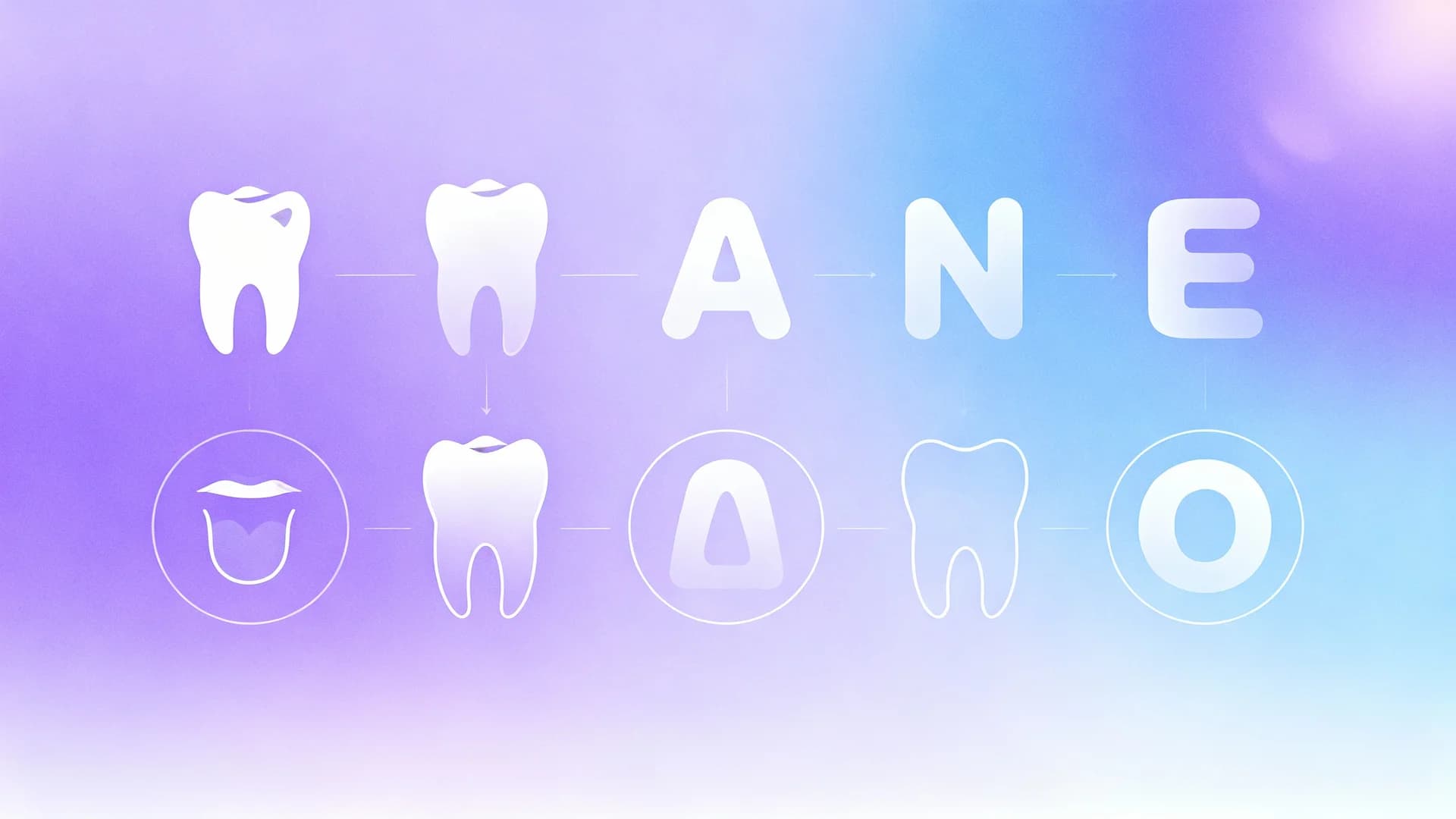
NOO-ahn-siz
/ˈnuɑnsɪz/
nuances is pronounced NOO-ahn-siz (/ˈnuɑnsɪz/). Nuances refers to subtle distinctions or variations in meaning, expression, or sound that may be easy to overlook but are essential for precise understanding. It captures the fine gradations or complexities within a subject, situation, or tone. In practice, nuances are the small but meaningful differences that affect interpretation or quality.
Nuances refers to subtle distinctions or variations in meaning, expression, or sound that may be easy to overlook but are essential for precise understanding. It captures the fine gradations or complexities within a subject, situation, or tone. In practice, nuances are the small but meaningful differences that affect interpretation or quality.
"Her interpretation changed as she noticed the nuances in the speaker's tone."
"The artist captured the nuances of light and shadow in the painting."
"Understanding the nuances of etiquette can prevent awkward social missteps."
Pronounce as /ˈnuː.ɑːnsɪz/ (US: ˈnuː.ɑːnsɪz; UK: njuːˈɑːnsɪz; AU: ˈnjuː.ɑːnsɪz)). Start with a stressed first syllable: 'new' plus 'ahns-iz' with a soft s and final z. The middle syllable is a clear /ɑː/, the unstressed second syllable is /ɪ/ or reduced to a brief /ɪ/ before /z/. Visualize: NEW-ahn-siz, with the tongue high and back for the /uː/ and /ɑː/.” ,
Common mistakes: (1) Treating the first syllable as a short /u/ instead of /uː/; use a long vowel. (2) Stress misplacement, saying nu-AN-ses or nu-AN-ces; keep primary stress on the first syllable. (3) Merging the /ɑː/ and /n/ too quickly, producing a blurred middle; ensure a distinct /ɑːn/. Corrections: emphasize /ˈnuː.ɑːn/ before the final /sɪz/; pause slightly between /ɑːn/ and /sɪz/ to preserve clarity.” ,
US: /ˈnuː.ɑːnsɪz/ with clear /ˈnuː/ and /ɑːn/. UK: /njuːˈɑːnsɪz/ or /ˈnjuː.ɑːnsɪz/, often less rhoticity impact but stress on second syllable in some speakers. AU: /ˈnjuː.ɑːnsɪz/, with smooth, elongated first vowel and less terminal emphasis on /ɪz/. The main difference is the initial consonant cluster and vowel length; rhoticity is minimal in UK/AU, while US may show slight rhoticization in certain dialects depending on speaker. Always listen for native exemplars in each region to fine-tune.” ,
The difficulty lies in balancing two long vowels /uː/ and /ɑː/ within quick speech, then transitioning into a syllable boundary before the final /z/. The sequence /ˈnuː.ɑːn/ requires a controlled tongue position: high back tongue for /uː/, then lowering to /ɑː/ without adding extra vowels. The voiced sibilant /z/ at the end can blur with preceding /n/ if you don’t separate the nasal stop from the voiced fricative. Practicing slow, then increasing tempo helps stabilize this transition.
Is the middle syllable in 'nuances' a true /ɑːn/ or a reduced /ən/? In careful pronunciation, you’ll hear /ˈnuː.ɑːnsɪz/ with an /ɑːn/ onset before the final /sɪz/. Some speakers may lightly reduce to /ˈnuː.ən.sɪz/ in rapid speech, but standard careful articulation uses the full /ɑːn/ to preserve the meaning and avoid ambiguity with similar words like 'nuisances' vs 'nuances'.
🗣️ Voice search tip: These questions are optimized for voice search. Try asking your voice assistant any of these questions about "nuances"!
US: rhotics and denser final vowels; UK: less rhotic, potential vowel length differences; AU: smooth, non-rhotic, vowel quality tends toward pure, bright /uː/ and /ɑː/. Vowel-by-vowel: /ˈnuː/ (US/UK/AU share long /uː/); /ˈɑː/ is tense open back unrounded; final /ɪz/ commonly realized as /ɪz/ with slight laxness depending on region. IPA references: US /ˈnuː.ɑːnsɪz/, UK /njuːˈɑːnsɪz/, AU /ˈnjuː.ɑːnsɪz/. Consonant flow: keep /n/ nasal at boundary before /s/; avoid linking to /l/ or other sounds. Practice with careful lip rounding for /uː/ and maintain a steady jaw for /ɑː/. US speakers may show subtle rhotacism in fast speech; UK/AU usually non-rhotic, which can change adjacent vowel quality slightly.
Nuance comes from the French nuancé, meaning ‘a shade, nuance, tint,’ itself derived from nuer, to shade or shade off. The word entered English in the 17th century, initially used in art and language to describe subtle distinctions in color and tone. Over time, it broadened to refer to fine distinctions in meaning, intention, or expression across disciplines such as philosophy, linguistics, and performance. The core idea centers on gradations that are not immediately obvious—subtle degrees of difference that require closer inspection or careful listening. In modern usage, nuances often imply context-dependent shifts in interpretation, tone, or approach, signaling that small changes can alter overall understanding or appreciation. First known uses appear in early modern French borrowings into English, with broader literary adoption by the 1800s as scholars and artists discussed nuance in critique and description. The term now enjoys wide cross-disciplinary utilization, embedded in discussions of semantics, sociolinguistics, and rhetorical analysis, where recognizing and conveying nuances becomes a mark of precision and expertise.
💡 Etymology tip: Understanding word origins can help you remember pronunciation patterns and recognize related words in the same language family.
Help others use "nuances" correctly by contributing grammar tips, common mistakes, and context guidance.
💡 These words have similar meanings to "nuances" and can often be used interchangeably.
🔄 These words have opposite meanings to "nuances" and show contrast in usage.
📚 Vocabulary tip: Learning synonyms and antonyms helps you understand nuanced differences in meaning and improves your word choice in speaking and writing.
Words that rhyme with "nuances"
-ous sounds
Practice with these rhyming pairs to improve your pronunciation consistency:
🎵 Rhyme tip: Practicing with rhyming words helps you master similar sound patterns and improves your overall pronunciation accuracy.
See how this word is used in our articles