4 syllables: No, tice, a, ble. Stress on No.
NOH-tuh-suh-buhl
/ˈnoʊtəsəbəl/
Noticeable is pronounced NOH-tuh-suh-buhl (/ˈnoʊtəsəbəl/). It has four syllables (No-tice-a-ble), with the stress on "No". As a adjective, able to be observed or noticed; noticeable is used for things that stand out or are easily perceived. In everyday use, it means something is clear or evident, drawing attention. The term emphasizes perceptual prominence, often implying a degree of visibility or significance beyond ordinary expectation.
adjectiveAble to be observed or noticed; noticeable is used for things that stand out or are easily perceived. In everyday use, it means something is clear or evident, drawing attention. The term emphasizes perceptual prominence, often implying a degree of visibility or significance beyond ordinary expectation.

How to Pronounce Noticeable
"The typo in the report was noticeable even to a quick skim."
"Her signature red scarf made her look noticeably different from the crowd."
"The damp stain on the wall was quite noticeable after the rain."
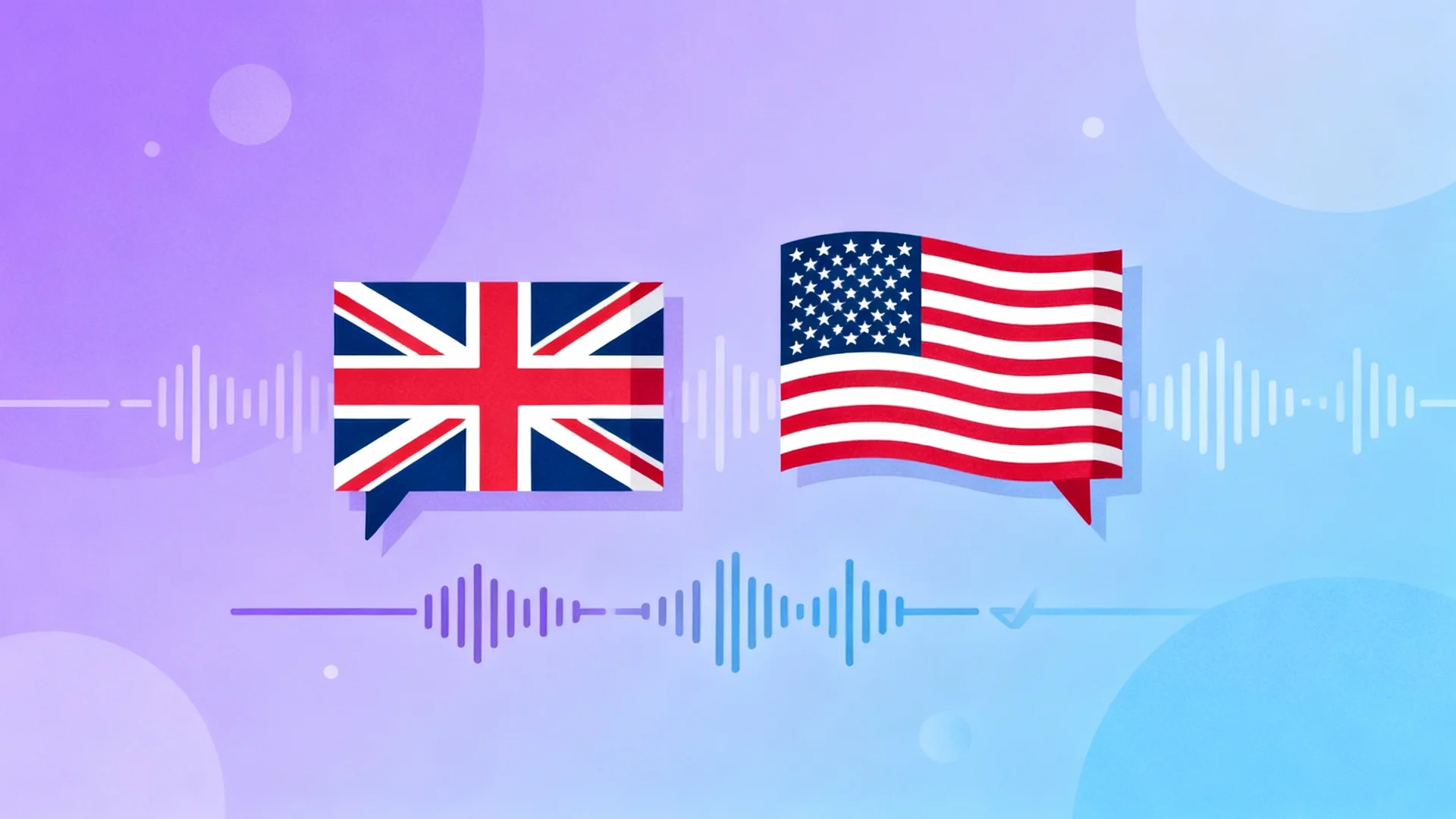
Pronounce as NO-ti-ca-ble, with primary stress on the first syllable: /ˈnoʊ.tɪ.zə.bəl/ (US) or /ˈnəʊ.tɪ.zə.bəl/ (UK). Break it into four syllables: no-tis-a-ble, though the middle vowels are light: /tɪ/ and /zə/. The 'ti' is a short, lax vowel; keep jaw relaxed and lips neutral. You’ll often hear /ˈnoʊ.tɪ.zə.bəl/ in American speech, and /ˈnəʊ.tɪ.zə.bəl/ in British. Listen for the subtle reduction of the middle syllable when fluent.
Common errors include stressing the wrong syllable (often stressing 'ca' as in No-TI-sa-ble), pronouncing the /t/ as a hard stop in rapid speech, and stretching the -able ending too long. Correction tips: keep the primary stress on the first syllable /ˈnoʊ/; quick, light /tɪ/; a soft, schwa-like /zə/ in the third syllable; and a clipped /bəl/ at the end. Practice with minimal pairs focusing on stress and the /t/ vs. /d/ voice onset time.”
US tends to a strong /ˈnoʊ.tɪ.zə.bəl/ with clear /t/ and a rhotic effect on following vowels. UK typically uses /ˈnəʊ.tɪ.zə.bəl/ with less rhotic influence and a slightly shorter middle vowel. Australian English often leans toward /ˈnɒɪ.tɪ.zə.bəl/ or /ˈnɒtɪ.zə.bəl/ depending on speaker, with smoother connected speech and reduced vowels. In all accents, the stress remains on the first syllable; the main variation is vowel quality and the treatment of the middle /ɪ/ and /ə/ sounds.
Two main challenges: the two light, quick middle vowels /ɪ/ and /ə/ in 'ti' and 'za' can blend in continuous speech; and the -able suffix can yield a subtle schwa that’s easy to mispronounce as /ə/ or /æ/. Focus on a clean /t/ release and a short, unstressed middle vowel before the final /bəl/. Practice timing so the Syllable sequence is Four even beats: NO-ti-CE-a-ble, with primary stress on NO. Fine-tune with listening drills in IPA contexts.
A distinctive feature is the lightly pronounced /t/ followed by a rapid /ɪ/ and /z/ sequence, then a reduced /ə/ before the final /bəl/. The 'ti' often stays short and unstressed, contributing to the overall brisk rhythm of the word. The suffix -able creates two closed sounds at the end; ensure the final /bəl/ lands as a compact, voiced consonant cluster with a soft, schwa-like vowel before it.
🗣️ Voice search tip: These questions are optimized for voice search. Try asking your voice assistant any of these questions about "Noticeable"!
Noticeable comes from the verb notice, dating back to the late 14th century, via Old French noter and Latin notare ‘to mark, to observe.’ The root notice stems from Latin notitia meaning ‘a known thing’ and nota meaning ‘mark, sign.’ The suffix -able, from Latin -abilis via Old French -able, attaches to verbs to form adjectives meaning ‘able to be Xed.’ Originally, notice meant ‘to mark or take note of’ and by extension ‘to behold or observe.’ Over time, noticeable and noticeably entered English to denote something capable of being noticed; the sense shifted toward something that is readily perceivable or conspicuous. In modern use, noticeable often implies that something stands out perceptually, sometimes with a hint of subjectivity depending on observer and context. The word’s trajectory mirrors a broader tendency in English to build adjectives from verb stems with -able/-ible endings to express potential or capacity, especially in descriptive, evaluative discourse. First known written use appears in Middle English texts, with attestations in the 15th century, aligning with the broader expansion of notice-like vocabulary in that era.
💡 Etymology tip: Understanding word origins can help you remember pronunciation patterns and recognize related words in the same language family.
Help others use "Noticeable" correctly by contributing grammar tips, common mistakes, and context guidance.
💡 These words have similar meanings to "Noticeable" and can often be used interchangeably.
🔄 These words have opposite meanings to "Noticeable" and show contrast in usage.
📚 Vocabulary tip: Learning synonyms and antonyms helps you understand nuanced differences in meaning and improves your word choice in speaking and writing.
Words that rhyme with "Noticeable"
-ble sounds
Practice with these rhyming pairs to improve your pronunciation consistency:
🎵 Rhyme tip: Practicing with rhyming words helps you master similar sound patterns and improves your overall pronunciation accuracy.
See how this word is used in our articles