One syllable: lot.
laht
/lɑt/
lot is pronounced laht (/lɑt/). It has one syllable (lot), with the stress on "lot". Lot refers to a large quantity or a particular portion or parcel of land assigned for use or sale. It can also mean a probability outcome or fate. In everyday use, it often appears in phrases like “a lot,” meaning much or many, or as a noun for a specific plot of land. The word is short, monosyllabic, and carries varied senses across contexts.
Lot refers to a large quantity or a particular portion or parcel of land assigned for use or sale. It can also mean a probability outcome or fate. In everyday use, it often appears in phrases like “a lot,” meaning much or many, or as a noun for a specific plot of land. The word is short, monosyllabic, and carries varied senses across contexts.
"I have a lot of work to finish today."
"She bought a lot for her new house."
"They cast lots to determine who would go first."
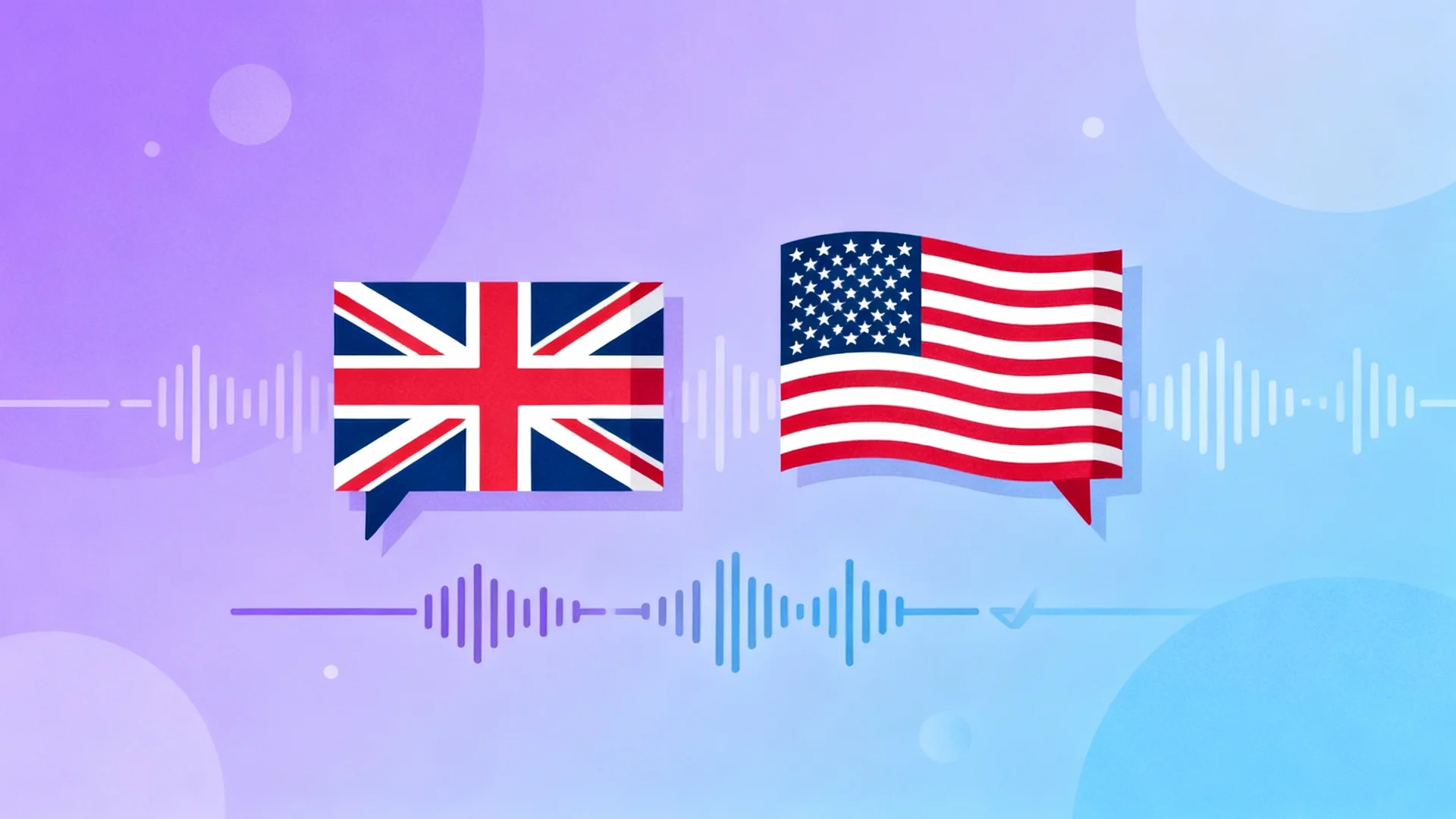
Pronounce it as one syllable: /lɑt/ in US English, with /ɒ/ sounding as the open back rounded vowel and the /t/ released. In careful speech you’ll articulate a crisp /t/. In UK English the vowel is typically /ɒ/ as in ‘lot’ and tends toward a clipped, short sound. Your mouth should start with a relaxed jaw, lips neutral, and tip the tongue low and back as you strike the /l/ and then quickly move to the /ɒ/ position before releasing /t/. Audio references: listen to native speakers on pronunciation platforms for confirmation.
Common mistakes include pronouncing the vowel as a close /i/ or /ʊ/ (like ‘leet’ or ‘lout’ in some accents) and not fully releasing the /t/, resulting in a stunted or glottalized ending. Another error is lengthening the vowel excessively, leaning toward /lɑːt/; keep it short. To fix: ensure a clear, brief /ɒ/ or /ɑ/ bite and push the tongue forward for the /t/ release. Practice with minimal pairs like ‘lot’ vs ‘lot’ to feel the crisp stop.
In US English you’ll hear /lɑt/ with a lax, open front-back vowel; the /t/ is typically an aspirated stop in stressed syllables. UK English commonly uses /lɒt/ with a shorter, more rounded /ɒ/ and a less aspirated /t/ in some dialects. Australian speakers also show /lɒt/ with similar vowel to UK but may exhibit a slightly wider mouth opening and a softer /t/ in some regions. Across accents, the main difference is vowel quality and whether the /t/ is fully released or realized as a softer alveolar tap or glottal stop in rapid speech.
The challenge comes from the short, open back vowel /ɒ/ (or /ɑ/ in some US dialects) and the final /t/ release, which can become a glottal stop in fast speech or elsewhere. Achieving a crisp stop without adding extra vowels or replacing it with a slack /ɾ/ is crucial. Variations in dialects can also shift vowel length and quality, causing uncertainty about which vowel to use. Focus on a compact, clean mouth posture, keep the tongue low and back for the vowel, and finish with a clear, precise /t/.
A lot often sounds like a tight, one-syllable unit. You should avoid inserting a schwa between the consonants and instead close quickly from /l/ to the vowel to /t/. Practicing with the mouth positioning: start with the tongue contacting the alveolar ridge for /l/, then drop into the low-back vowel /ɒ/ (US) or /ɒ/ (UK/AU) and finish with a decisive /t/ release. This helps preserve the word’s compact, clipped sound across accents.
🗣️ Voice search tip: These questions are optimized for voice search. Try asking your voice assistant any of these questions about "lot"!
The word lot comes from Old English late, lāt meaning a share or parcel, tied to the concept of fate or fate-driven distribution. The noun form is associated with a portion of land or quantity assigned by drawing or fortune. Its usage extends through Middle English, where it also connoted destiny or chance, as in ‘casting lots’ to determine outcomes. The sense of ‘parcel of land’ emerged in medieval legal and property contexts, aligning with terms like ‘lot and cleft’ or ‘portion.’ The modern sense of a number or quantity (“a lot of people”) solidified in Early Modern English, reflecting both material and abstract abundance. The phrase ‘a lot’ as an adverbial intensifier is a 20th-century development, popularized in informal speech and gradual normalization into written English. Over centuries, the word retained flexibility, morphing from tangible land to abstract quantities and pleonastic intensification, while preserving the core idea of portioning, division, and aggregation.
💡 Etymology tip: Understanding word origins can help you remember pronunciation patterns and recognize related words in the same language family.
Help others use "lot" correctly by contributing grammar tips, common mistakes, and context guidance.
💡 These words have similar meanings to "lot" and can often be used interchangeably.
🔄 These words have opposite meanings to "lot" and show contrast in usage.
📚 Vocabulary tip: Learning synonyms and antonyms helps you understand nuanced differences in meaning and improves your word choice in speaking and writing.
Words that rhyme with "lot"
Practice with these rhyming pairs to improve your pronunciation consistency:
🎵 Rhyme tip: Practicing with rhyming words helps you master similar sound patterns and improves your overall pronunciation accuracy.
See how this word is used in our articles