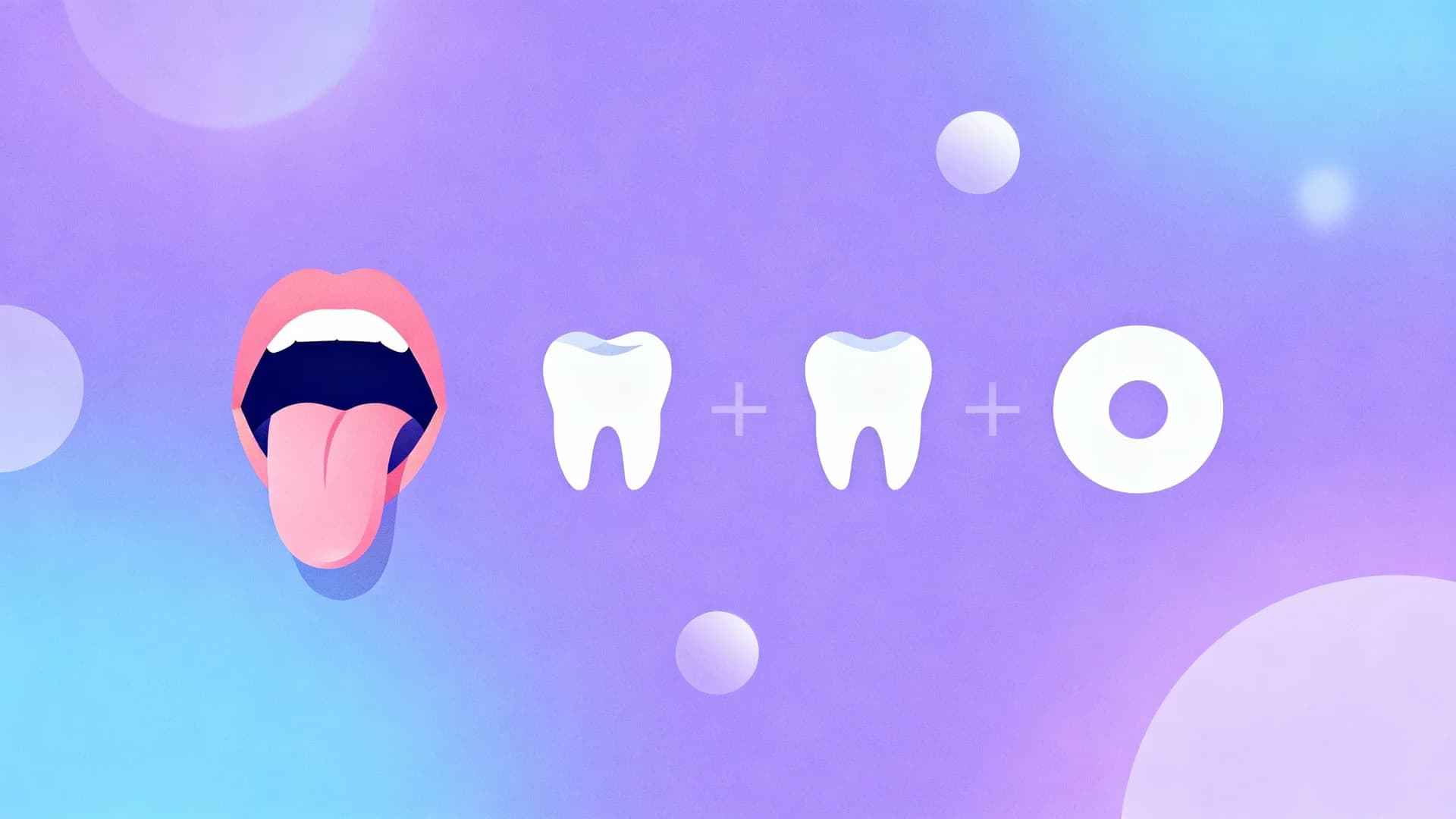
4 syllables: lit, er, a, ture. Stress on lit.
LIT-uh-ruh-chur
/ˈlɪtərətʃɚ/
literature is pronounced LIT-uh-ruh-chur (/ˈlɪtərətʃɚ/). It has four syllables (lit-er-a-ture), with the stress on "lit". Literature (noun) refers to written works, especially those considered to have artistic or intellectual merit. It also denotes guilds or departments focusing on written composition and criticism. In broader usage, it can mean a body of written works produced on a particular subject or during a period, or the study of such works as a discipline.
nounLiterature (noun) refers to written works, especially those considered to have artistic or intellectual merit. It also denotes guilds or departments focusing on written composition and criticism. In broader usage, it can mean a body of written works produced on a particular subject or during a period, or the study of such works as a discipline.
How to Pronounce Literature
"She studies world literature and its influences on modern cinema."
"The course covers medieval literature and its social contexts."
"Her lecture on contemporary literature sparked a lively discussion."
Pronounce it as /ˈlɪtərətʃər/ (US) or /ˈlɪtərətjər/ in some UK contexts. The primary stress is on the first syllable: LIT-ə-ruh-chər. Start with a light ‘l’, short ‘i’ as in kit, then a schwa or short ‘ə’ in the second syllable, and end with a t+ɜːr or tʃər sound depending on the accent. You can think: LIT-uh-ruh-chure, with a gentle, quick final syllable. Audio reference: listen to native speech on Pronounce or Forvo to hear the /ˈlɪtərə(t)ʃə/ pattern.
Two common errors: 1) Over-syllabication: saying lit-er-a-ture with four distinct syllables; 2) Misplacing the schwa: using a stronger vowel in the second syllable, making li-TER-a-ture or lif-er-uh-ture. Correction: keep the second syllable as a light, unstressed schwa /ə/ and compress the final /tʃər/ into a quick, clean /tʃər/ or /tʃə/ depending on the accent. Practice by saying LIT-ə-rə-tʃər in a smooth, connected manner.
In US English you’ ll hear /ˈlɪtərətʃər/ with rhoticity allowing an /ər/ in the second syllable and a final /ər/ cluster. UK typically /ˈlɪtərətʃə/ with reduced final /ə/ or /ə/ and less pronounced rhoticity in careful speech. Australian often modulates to /ˈlɪtəˌreɪtʃə/ or /ˈlɪtəɹətjə/, with a more centralized vowel in the second syllable and a lighter /r/ depending on speaker. Focus on keeping the /t/ clear, the /ɹ/ softer, and the final /ər/ or /ə/ reduced. IPA references: US /ˈlɪtərətʃər/, UK /ˈlɪtərətʃə/, AU /ˈlɪtə(r)ətjə/.
The difficulties arise from the multi-syllabic structure and the cluster /tʃər/ at the end. The middle syllable often reduces to a schwa, which can vary in strength, causing mis-stress or mis-timing. Additionally, the transition from /t/ to /ə/ to /r/ to /tʃ/ requires precise tongue movement and a light, quick final syllable. Practicing with connected speech helps establish native rhythm.
A unique feature is the sequence of consonants in the final syllable: /tʃər/. Achieving the correct affricate + rhotacized ending demands keeping the tongue raised for /tʃ/ and immediately lowering to a relaxed /ər/ or /ə/. The /ə/ in the second syllable is crucial fornat, so avoid over-expansion of that vowel. Practice the transition from /r/ or /ɹ/ depending on the dialect to achieve a natural, fluent ending.
🗣️ Voice search tip: These questions are optimized for voice search. Try asking your voice assistant any of these questions about "literature"!
US: rhotic /ɹ/ typically pronounced; UK: non-rhotic or weak rhoticity; AU: variable rhoticity with often softer /ɹ/ and vowel shifts. Key vowels: /ɪ/ in lit, /ə/ in er, /ə/ or /ə/ in tʃə. IPA: US ˈlɪtərətʃər, UK ˈlɪtərətʃə, AU ˈlɪtəɹətjə. Tips: keep lips relaxed for schwa, avoid tensing jaw; for /tʃ/ keep tongue blade high behind the teeth; ensure a light touch before final syllable.
Literature comes from the Latin word litteratura, formed from litera (letter). The term originally referred to the craft of writing letters and literacy, then broadened to denote written works in general. In medieval Latin, litteratura described not only the physical letters but the study of letters and learning. The English adoption of literature emerged in the 14th–15th centuries, initially privileging classical and scholarly writings. Over time, it expanded to include poetry, fiction, and other written arts, becoming central to humanities disciplines. By the modern period, literature signified both the body of written works and the scholarly field dedicated to analyzing them, critics examining style, form, historical context, and cultural significance. The word’s meaning evolved from a focus on the act of writing to a rich domain of artistic and intellectual expression, reflecting shifts in education, criticism, and cultural identity.
💡 Etymology tip: Understanding word origins can help you remember pronunciation patterns and recognize related words in the same language family.
Help others use "literature" correctly by contributing grammar tips, common mistakes, and context guidance.
💡 These words have similar meanings to "literature" and can often be used interchangeably.
🔄 These words have opposite meanings to "literature" and show contrast in usage.
📚 Vocabulary tip: Learning synonyms and antonyms helps you understand nuanced differences in meaning and improves your word choice in speaking and writing.
Words that rhyme with "literature"
-ure sounds
Practice with these rhyming pairs to improve your pronunciation consistency:
🎵 Rhyme tip: Practicing with rhyming words helps you master similar sound patterns and improves your overall pronunciation accuracy.
See how this word is used in our articles