•
Loading...
Checking authentication...
Practice your pronunciation with interactive games and challenges.
Start PlayingLearning a new language is akin to navigating through a dense forest. You need to be flexible and quick to adapt to unfamiliar terrain. Linguistic agility, therefore, becomes crucial for language enthusiasts and learners alike. It involves the ability to switch between languages, understand nuances, and communicate effectively in diverse settings.
Consider the concept of code-switching, where bilinguals switch between languages seamlessly. This linguistic agility is not just a party trick; it's a profound cognitive skill that enhances multitasking and problem-solving abilities. Research suggests that bilingual individuals often have enhanced executive functions, which are key components of cognitive agility.
How can you develop this linguistic agility? Engage with native speakers, immerse yourself in different cultural contexts, and practice active listening. By doing so, you'll not only master pronunciation-check out our pronunciation guide-but also become more agile in your language usage.
In the corporate arena, agility is more than a buzzword; it's a survival strategy. Businesses today face rapid technological advancements and ever-changing market dynamics. Professional agility, therefore, involves being adaptable, open to change, and ready to tackle new challenges head-on.
Consider the agile methodology in project management. Originating from the software development industry, this approach emphasizes iterative progress, collaboration, and flexibility. Teams that adopt agile methodologies often report higher productivity and better project outcomes.
But how can individuals cultivate professional agility? Start by embracing a growth mindset. Stay curious, seek feedback, and don't shy away from new experiences. Remember, agility isn't about having all the answers but rather being open to exploring new possibilities.
Want to see agility in action? Watch our video guide for insights on how agility can transform your professional interactions.
Personal growth is a journey filled with twists and turns. To navigate this journey successfully, one must be agile-able to adapt, learn, and grow from experiences. Personal agility involves emotional intelligence, resilience, and the ability to pivot when life throws curveballs.
Take, for instance, the unexpected challenges posed by the global pandemic. Those who displayed personal agility adapted to remote work, found new hobbies, and maintained social connections despite physical distancing. This adaptability isn't just a skill; it's a mindset that can lead to greater satisfaction and fulfillment.
How can you enhance your personal agility? Cultivate mindfulness, practice self-reflection, and embrace change. Remember, personal growth is not a destination but a continuous process of becoming.
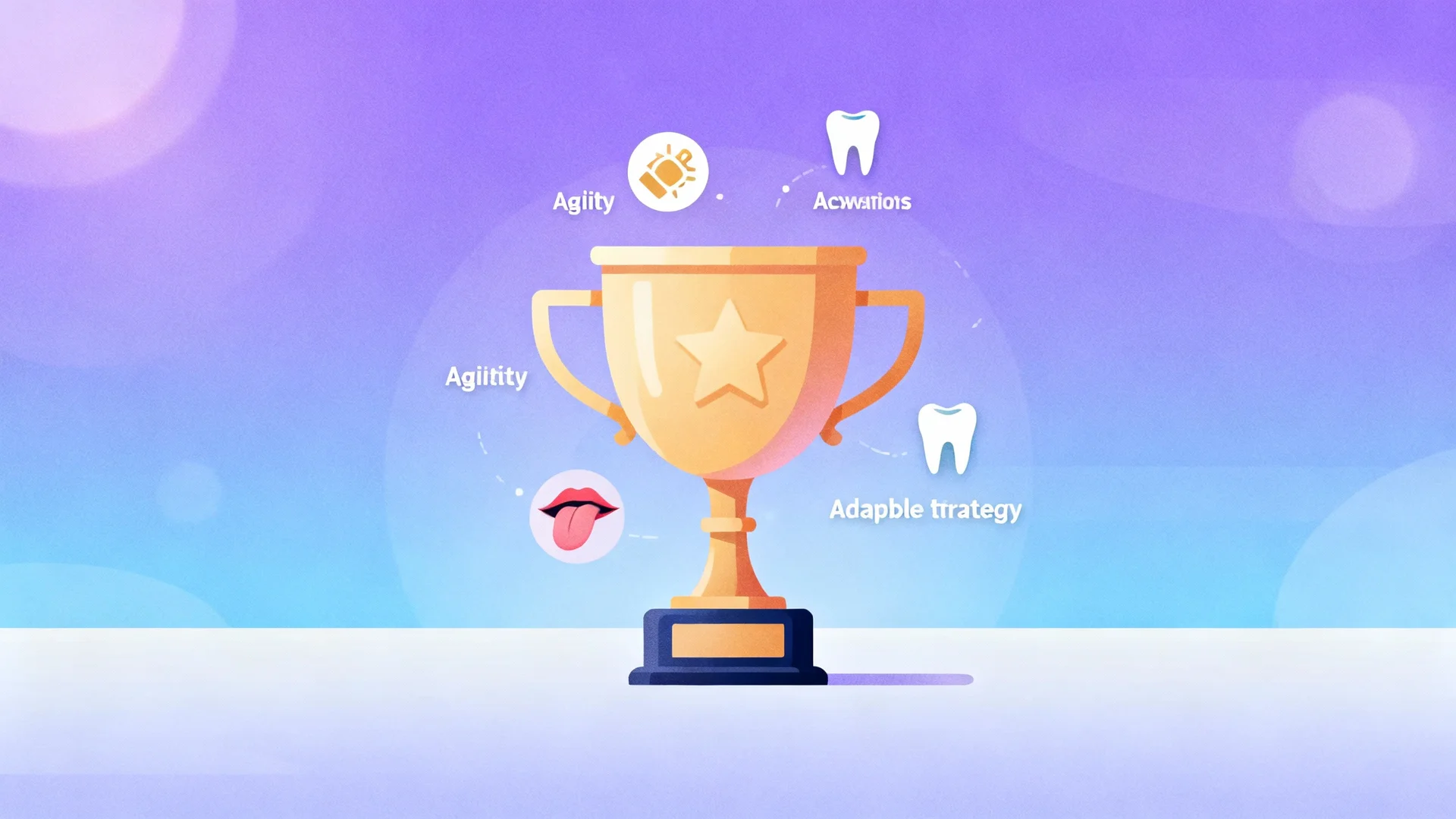
Agility, whether in language, profession, or personal life, is a skill that offers long-lasting benefits. It's about being versatile, resilient, and proactive in the face of change. As you embark on your journey to become more agile, consider these thought-provoking questions:
Agility is not just about reacting swiftly; it's about anticipating change and shaping it to your advantage. As you ponder these questions, remember that the path to agility is unique to each individual. Embrace it, and watch as it transforms your language skills, professional endeavors, and personal growth.
Agility is indeed a powerful skill-a feline leap into a world of endless possibilities. So, are you ready to unlock your agility?