•
Loading...
Checking authentication...
Practice your pronunciation with interactive games and challenges.
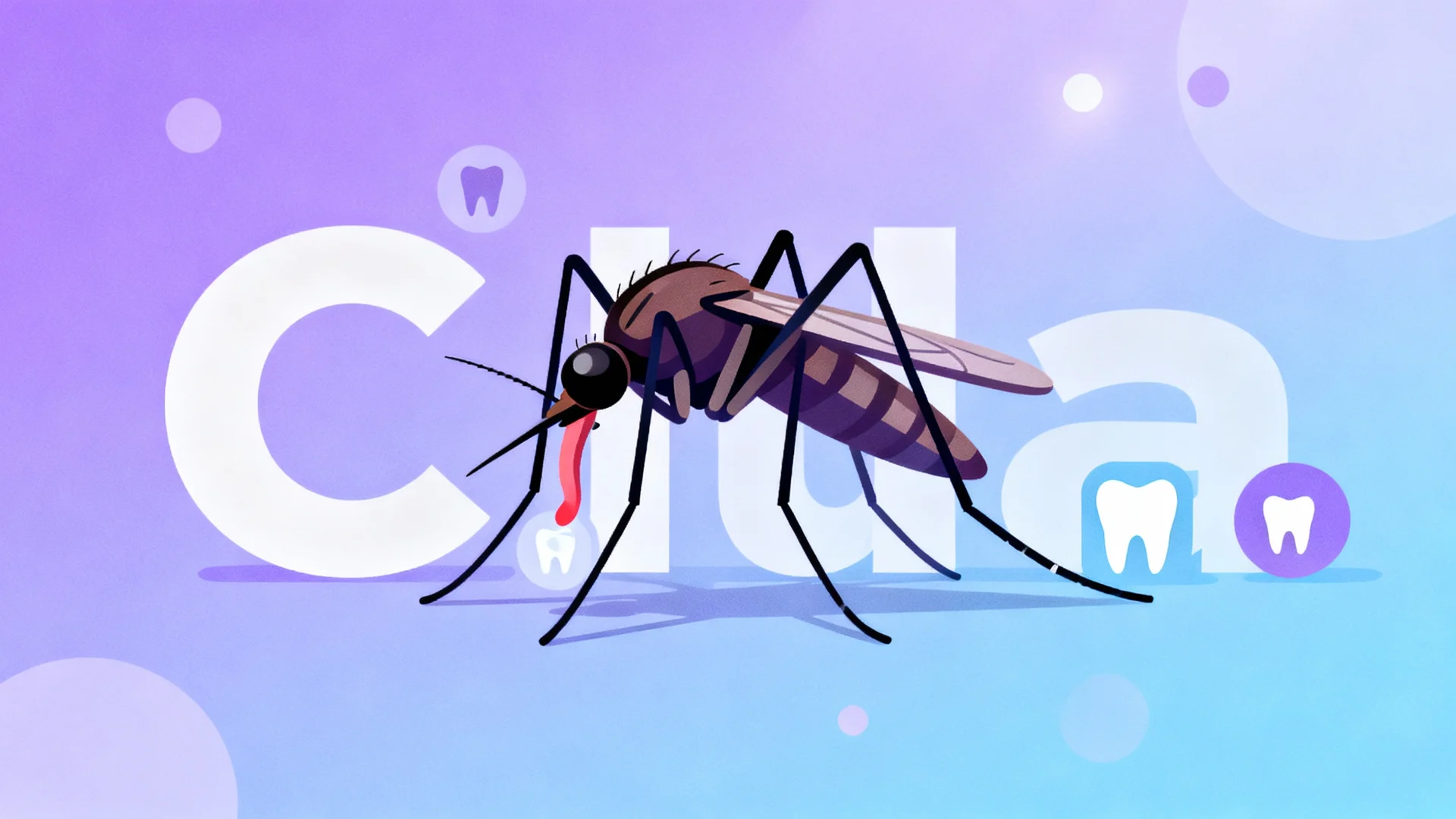
Start PlayingThe Aedes Aegypti mosquito is not just any insect; it's one of the most notorious vectors of diseases like dengue, Zika, chikungunya, and yellow fever. First discovered in Africa, this mosquito has spread its wings across continents, adapting to different environments with remarkable ease. But how did this tiny insect manage to carve such a significant niche in global health discussions?
One of the key reasons Aedes Aegypti has become such a prolific disease vector is its astounding ability to adapt. Unlike many other mosquito species, it thrives in urban environments, breeding in artificial containers like flower pots, discarded tires, and even bottle caps. This adaptability has made it a formidable opponent in the fight against mosquito-borne diseases.
Understanding the habits and lifecycle of Aedes Aegypti is crucial for developing effective control strategies. For example, knowing that they prefer to lay eggs in clean water can help in devising public health campaigns focused on eliminating potential breeding sites. As language enthusiasts and professionals, discussing the implications of such adaptability raises important questions: How do we balance urban development with pest control? What role does public awareness play in combating these diseases?
Scientists around the world are investing heavily in research to understand and combat the spread of Aedes Aegypti. From genetic modifications to releasing sterile males, innovative strategies are being tested to curb their population. These efforts highlight the importance of scientific collaboration and technological advancements in addressing global health challenges.
Climate change has further complicated the battle against Aedes Aegypti. Rising temperatures and changing rainfall patterns have expanded the mosquito's habitat, allowing it to survive in regions previously inhospitable. This shift poses new challenges for public health officials and emphasizes the need for sustainable environmental policies.
"Understanding the behavior of Aedes Aegypti is key to preventing outbreaks of mosquito-borne diseases. Our research is focused on developing targeted interventions that disrupt their breeding cycle." - Dr. Maria Gomez, Entomologist
Dr. Gomez's insights underscore the critical role of research in devising strategies to control this mosquito species. Her work, along with that of countless other experts, is instrumental in safeguarding public health.
Community involvement is vital in controlling the spread of Aedes Aegypti. Educational programs aimed at teaching people how to identify and eliminate breeding sites can make a significant difference. Encouraging local participation not only empowers communities but also fosters a sense of responsibility towards public health.
In the battle against Aedes Aegypti, knowledge is power. By understanding the historical context, scientific research, and community involvement strategies, we can better equip ourselves to tackle the challenges posed by this resilient mosquito. As you ponder the intricacies of this tiny insect, remember that each effort counts in the larger fight against mosquito-borne diseases.
For a deeper dive into the pronunciation and nuances of Aedes Aegypti, check out our video guide. Through understanding and action, we can all contribute to a healthier, mosquito-aware world.